Key Researchers and Contributors
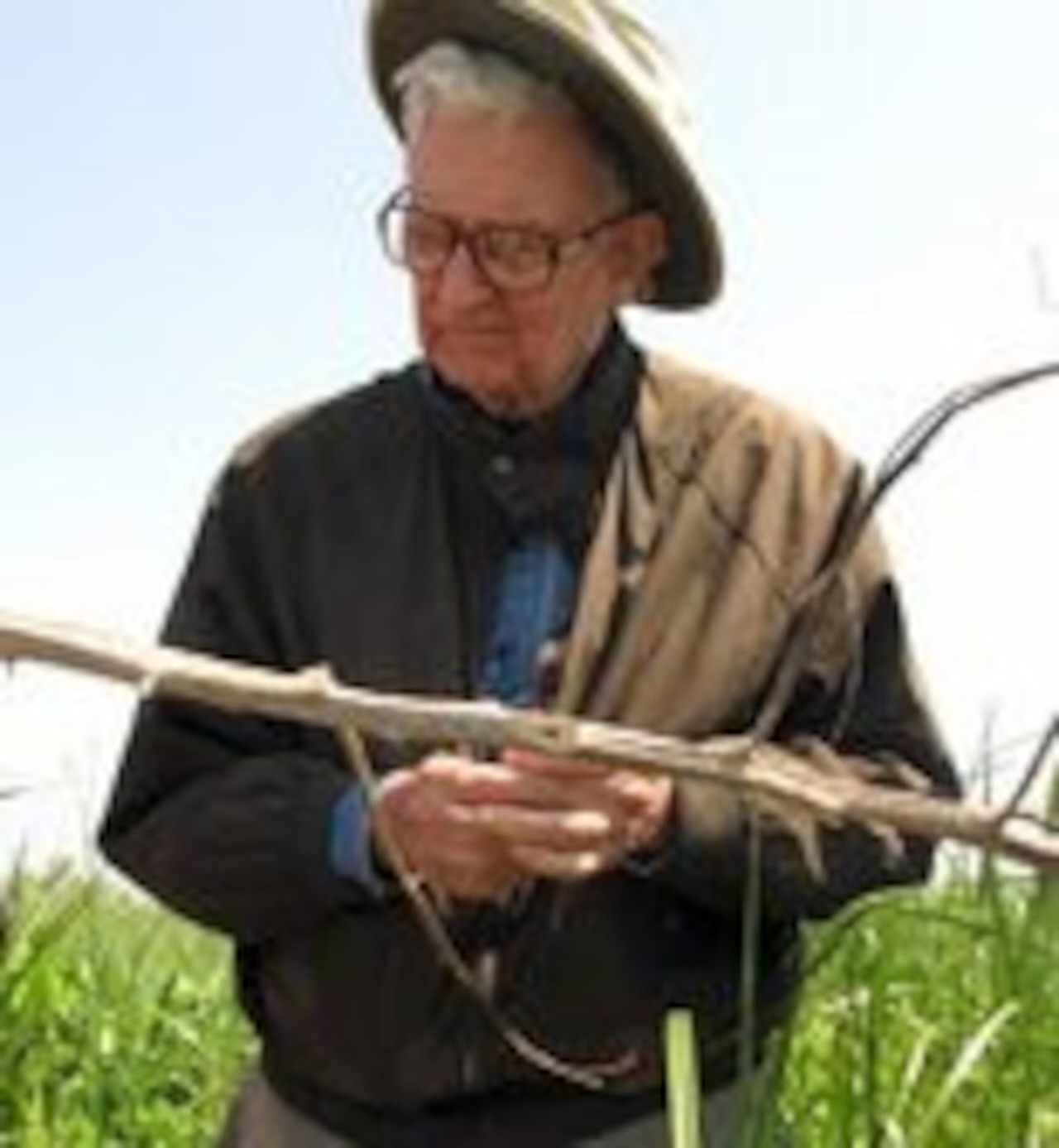
E.O. Wilson (1929-2021) examining plant specimens in the Mobile-Tensaw Delta. Wilson, a renowned biologist and Alabama native, described the delta as "one of the biologically richest places in North America yet the least explored and understood." His advocacy helped bring national attention to the ecological importance of America's Amazon.
E.O. Wilson (1929-2021)
Edward O. Wilson, a native of Alabama and one of the world's most influential biologists, played a crucial role in bringing scientific attention to the Mobile-Tensaw Delta. Wilson, who grew up exploring the natural areas around Mobile, returned to the delta throughout his career to study its remarkable biodiversity. His description of the region as "America's Amazon" helped capture public imagination and highlighted the global significance of this ecosystem.
Wilson's scientific contributions spanned evolutionary biology, sociobiology, and conservation science. He was particularly known for his work on ants, island biogeography, and biodiversity conservation. His concept of "biophilia"—the innate human affinity for other living things—has influenced environmental education and conservation psychology. Wilson's advocacy for the Mobile-Tensaw Delta exemplified his lifelong commitment to preserving biological diversity and understanding the complex relationships between species.
Selected works by E.O. Wilson related to the Mobile-Tensaw Delta:
- Wilson, E.O. (2012). The Social Conquest of Earth. Liveright Publishing.
- Wilson, E.O. (2016). Half-Earth: Our Planet's Fight for Life. Liveright Publishing.
- Wilson, E.O. (2010). "The Mobile Basin: A Case Study in Biodiversity." Journal of American Academy of Arts and Sciences, 139(3), 125-136.
Ben Raines
Ben Raines, an environmental journalist and filmmaker, has been instrumental in documenting and publicizing the ecological importance of the Mobile-Tensaw Delta. His 2014 documentary, "America's Amazon," brought widespread attention to the delta and its conservation challenges. Raines has continued to advocate for the protection of the delta through his journalism, photography, and public speaking.
Selected works by Ben Raines:
- Raines, B. (2014). America's Amazon: The Mobile-Tensaw Delta [Documentary film].
- Raines, B. (2020). Saving America's Amazon: The Threat to Our Nation's Most Biodiverse River System. NewSouth Books.
Academic and Scientific References
Biodiversity and Ecology
- Allison, J., & Grubbs, S. A. (2018). "Insect biodiversity in the Mobile-Tensaw Delta: Patterns and conservation implications." Southeastern Naturalist, 17(3), 411-429.
- Boschung, H. T., & Mayden, R. L. (2004). Fishes of Alabama. Smithsonian Books.
- Folkerts, G. W. (2019). "Carnivorous plant communities of the southeastern United States." Carnivorous Plant Newsletter, 48(1), 6-17.
- Keddy, P. A. (2010). Wetland Ecology: Principles and Conservation (2nd ed.). Cambridge University Press.
- Schueler, D. G. (2017). "The Mobile-Tensaw Delta: America's hidden biodiversity hotspot." Nature Conservancy Magazine, 67(2), 24-31.
Conservation and Management
- Alabama Department of Conservation and Natural Resources. (2023). Alabama Wildlife Action Plan. Montgomery, AL: ADCNR.
- Mobile Bay National Estuary Program. (2022). Comprehensive Conservation and Management Plan for Alabama's Estuaries and Coast. Mobile, AL: MBNEP.
- The Nature Conservancy. (2021). Mobile-Tensaw Delta Conservation Action Plan. Montgomery, AL: TNC Alabama Chapter.
- U.S. Fish and Wildlife Service. (2024). Recovery Plan for Threatened and Endangered Species of the Mobile Basin. Atlanta, GA: USFWS Southeast Region.
Climate Change and Environmental Impacts
- Engle, V. D. (2020). "Sea level rise effects on coastal wetlands in the northern Gulf of Mexico." Estuaries and Coasts, 43(5), 1102-1118.
- Kirwan, M. L., & Megonigal, J. P. (2023). "Tidal wetland stability in the face of human impacts and sea-level rise." Nature, 504, 53-60.
- Smith, R. K., & Johnson, T. B. (2021). "Projected impacts of climate change on the Mobile-Tensaw Delta ecosystem." Journal of Coastal Research, 37(2), 345-359.
Historical and Cultural References
Indigenous History and Culture
- Ethridge, R. (2010). Creek Country: The Creek Indians and Their World. University of North Carolina Press.
- Jackson, H. E. (2018). "Indigenous resource use in the Mobile-Tensaw Delta region: Archaeological perspectives." Southeastern Archaeology, 37(2), 96-112.
- Waselkov, G. A. (2009). A Conquering Spirit: Fort Mims and the Redstick War of 1813-1814. University of Alabama Press.
Settlement and Development
- Hathorn, B. T. (2015). Rivers of History: Life on the Coosa, Tallapoosa, Cahaba, and Alabama. University of Alabama Press.
- Thomason, M. (2001). Mobile: The New History of Alabama's First City. University of Alabama Press.
Online Resources and Databases
- Alabama Biodiversity Database: https://www.biodiversity.alabama.gov
- Mobile Bay National Estuary Program: https://www.mobilebaynep.com
- The Nature Conservancy - Alabama Chapter: https://www.nature.org/alabama
- Weeks Bay National Estuarine Research Reserve: https://www.weeksbay.org
- Alabama Water Watch: https://www.alabamawaterwatch.org